
Rejected drawings, missed deadlines, and a stack of revision notes from the building department are enough to make any homeowner or contractor lose patience with a project. The wrong drafting partner can turn a simple deck or addition into a months-long headache. The solution is straightforward: hire a permit drawing company with proven local code knowledge, a clear process, and a track record of first-time approvals. This article walks through exactly what to look for, which questions to ask, and which red flags mean it’s time to look elsewhere, so you can pick a partner who gets your project approved instead of stuck in review.
What Does a Permit Drawing Company Do?
This type of firm converts your project idea, whether it’s a home addition, ADU, deck, or commercial buildout, into drawings that satisfy your local building department. This usually includes site plans, floor plans, elevations, and structural or MEP details depending on scope.
The right company doesn’t just draft; it understands zoning rules, setback requirements, and the specific formatting each Authority Having Jurisdiction (AHJ) expects. That local knowledge is often the difference between a fast approval and repeated rejections.
Why Choosing the Right Permit Drawing Company Matters
Not every drafting provider is equal, and picking the wrong one can cost far more than the drafting fee itself. A rushed or inexperienced team may miss a code requirement, leaving you to redo drawings and resubmit weeks later.
A qualified permit drawing company protects your timeline and budget by:
- Avoiding costly resubmissions from incomplete or inaccurate drawings
- Keeping your project on schedule with realistic turnaround estimates
- Reducing miscommunication between designers, contractors, and inspectors
- Standing behind their work with revisions if the building department pushes back
For anything beyond a small, straightforward project, the right partner is worth the investment.
Key Factors to Look for in a Permit Drawing Company
Before signing on with any provider, evaluate them against a few core factors that separate reliable firms from risky ones.
- Local experience – They should know your city or county’s specific code and submission quirks, not just general building codes.
- Portfolio and samples – Ask to see previous permit sets similar to your project type.
- Clear turnaround times – A trustworthy provider gives you a realistic timeline upfront, not vague promises.
- Licensed stamping support – If your jurisdiction requires an architect or engineer’s seal, confirm they can provide it.
- Transparent pricing – Quotes should outline exactly what’s included, with no surprise add-ons later.
A company that checks most of these boxes is far more likely to deliver a smooth, approved submission.
Questions to Ask Before Hiring
A short conversation before you commit can save weeks of frustration later. Use these questions to separate a dependable permit drawing company from one that just talks a good game.
- How many projects have you completed in my jurisdiction?
- Can you share references or a sample permit package?
- What happens if the building department requests changes?
- Do you handle resubmissions at no extra cost?
- Who reviews the drawings before they’re submitted?
Providers who answer clearly and confidently, backed by real examples, are usually the safer bet.
Red Flags to Avoid
Some warning signs point to a provider who might create more problems than they solve. Watch out for these before signing a contract.
- Unusually low prices compared to every other quote you’ve received
- No local portfolio or unfamiliarity with your specific building department
- Vague timelines with no clear delivery date
- Poor communication or slow responses during the sales process
- No revision policy if the permit office requests corrections
If a company shows two or more of these signs, it’s worth continuing your search rather than risking your project’s timeline. Trust your instincts here: a firm that’s hard to reach before you’ve even signed a contract is unlikely to improve once they have your deposit.
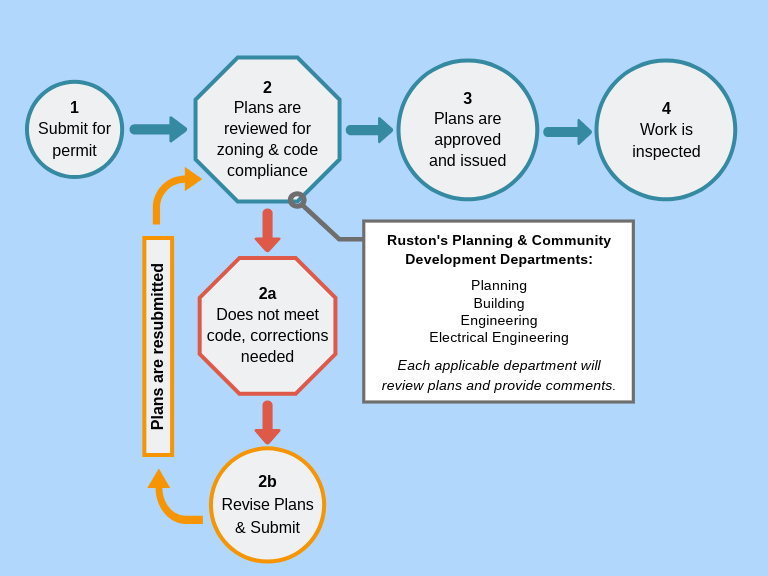
image by www.rustonwa.org
How Long Should the Process Take?
Timelines vary by project size and jurisdiction, but most straightforward residential jobs, like a deck, small addition, or ADU, take anywhere from a few days to two weeks for a complete drawing set. Larger projects involving structural changes or multiple MEP systems can take three to four weeks, especially if an engineer’s stamp is required.
Ask for a written estimate upfront, and factor in extra time for the building department’s own review period, which is separate from drafting time. A provider who gives you a clear, realistic range instead of a vague “it depends” answer is generally more organized and easier to plan around.
Cost vs. Value
The cheapest quote isn’t always the smartest choice. A provider offering rock-bottom pricing may cut corners on code research, leading to rejected submissions and expensive redraws down the line.
Instead, compare value: experience, communication, and a track record of approvals matter more than saving a small amount upfront. Paying slightly more for a provider who gets it right the first time almost always costs less overall than chasing a cheaper option through multiple resubmissions.
Final Thoughts
Choosing the right permit drawing company comes down to research, clear communication, and a bit of due diligence before you sign anything. Look for local code experience, transparent pricing, and a solid revision policy, and don’t be afraid to ask direct questions before committing. A reliable partner turns the permitting process from a stressful bottleneck into a predictable step, keeping your project moving toward approval and construction instead of sitting in a review queue.